
Period window
A start and end date bound the records included in a view, such as a calendar month or a quarter.
See how date windows group the same fictional records into different summaries, and why boundary dates can move an entry between months. Every example is fictional and educational.
A reporting period is a date window used to group records into a summary. It describes how a view is assembled, not proof that a transaction occurred.
A start and end date bound the records included in a view, such as a calendar month or a quarter.
The field used to place a record inside the window — scheduled or recorded date — decides where an entry appears.
Entries near the first or last day can move between neighboring periods when the basis or window changes.
A reporting boundary organizes records for review; it does not change the underlying entries. Examples on this page are fictional and are provided for learning only.
Follow practical explanations of date windows, monthly summaries and calendar structures. Each guide uses fictional examples to clarify how a period should be read.
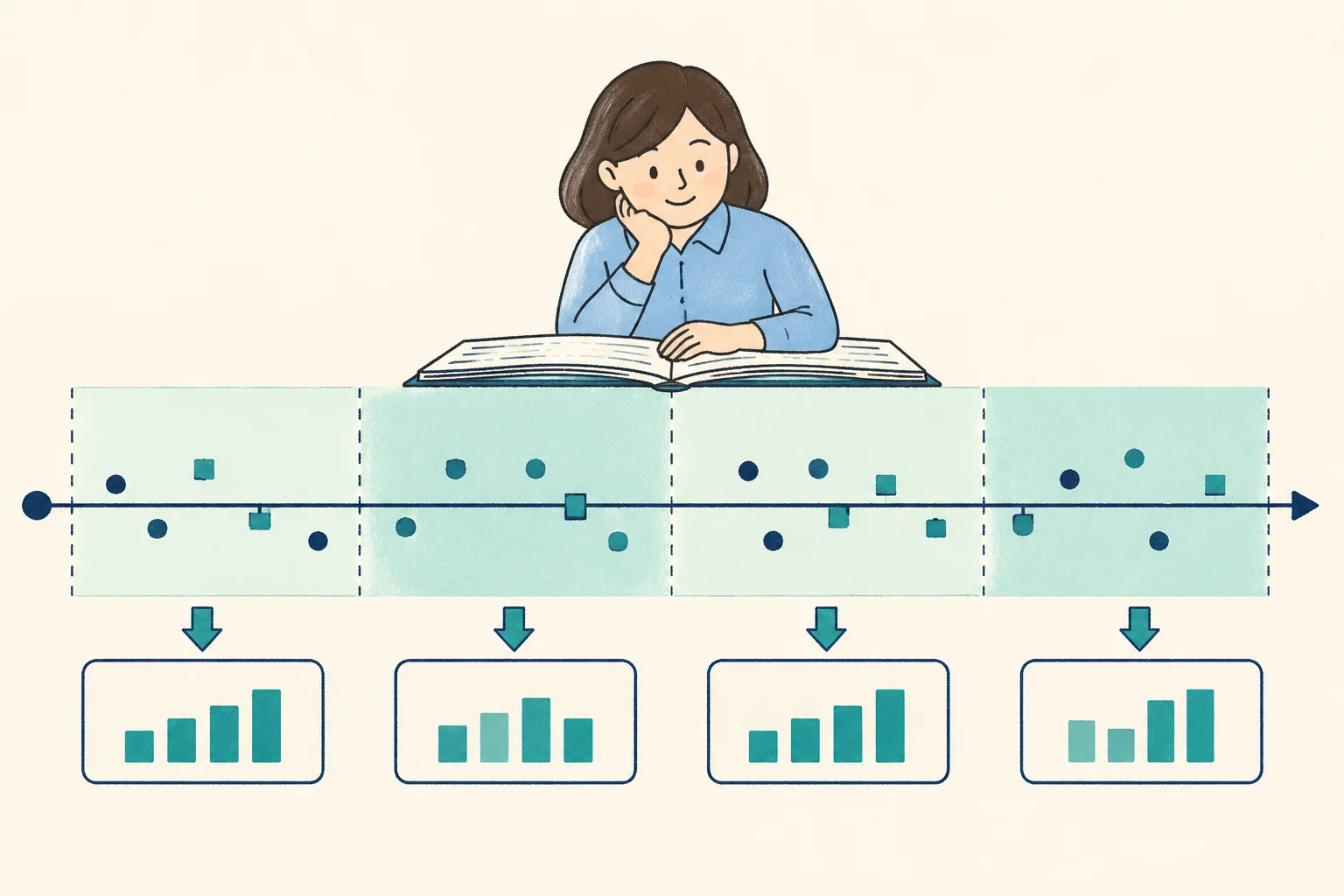
See how changing a reporting period or date basis moves fictional entries between monthly views.
Read the guide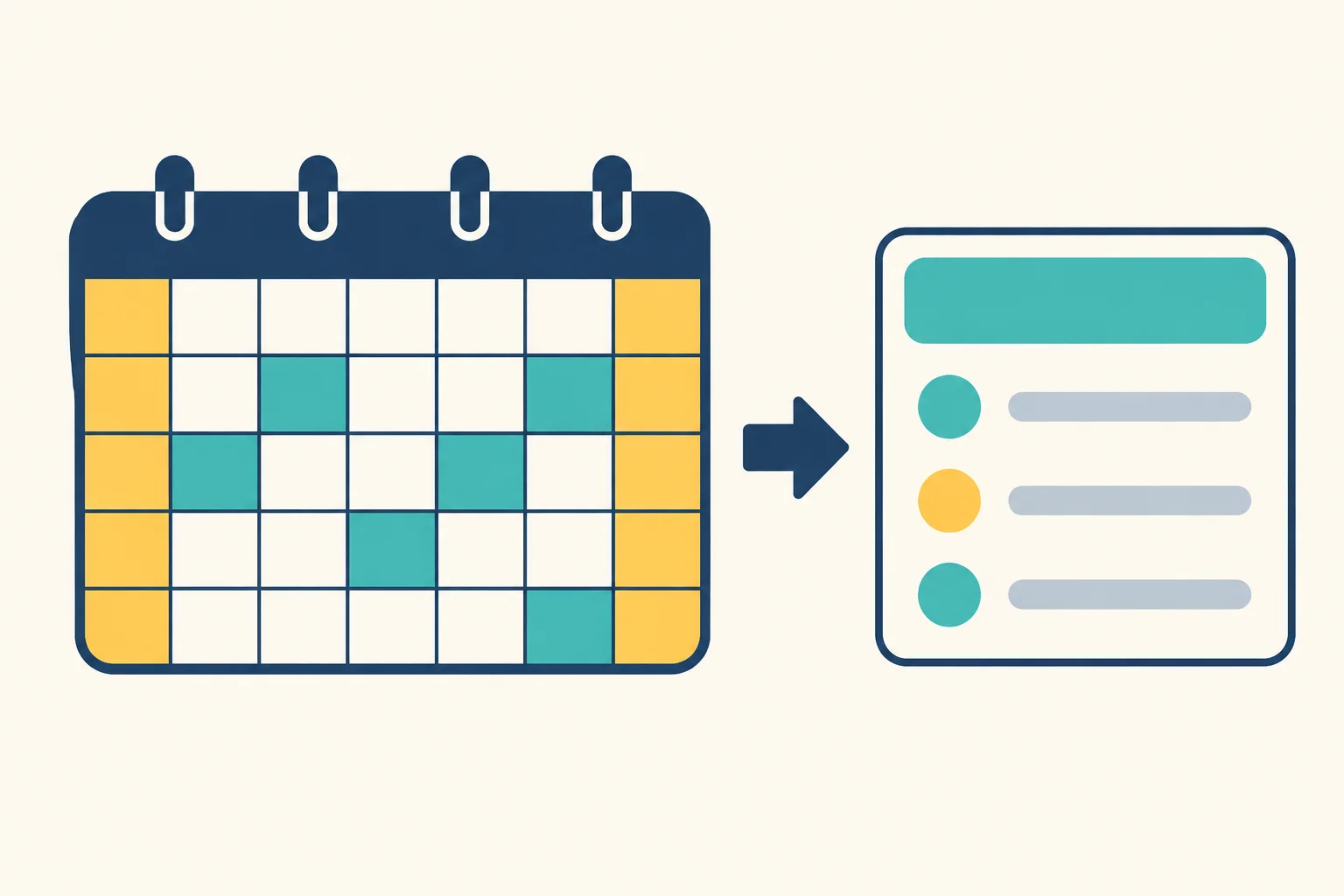
Read fictional monthly summaries by checking each total's date basis and reporting boundary.
Read the guide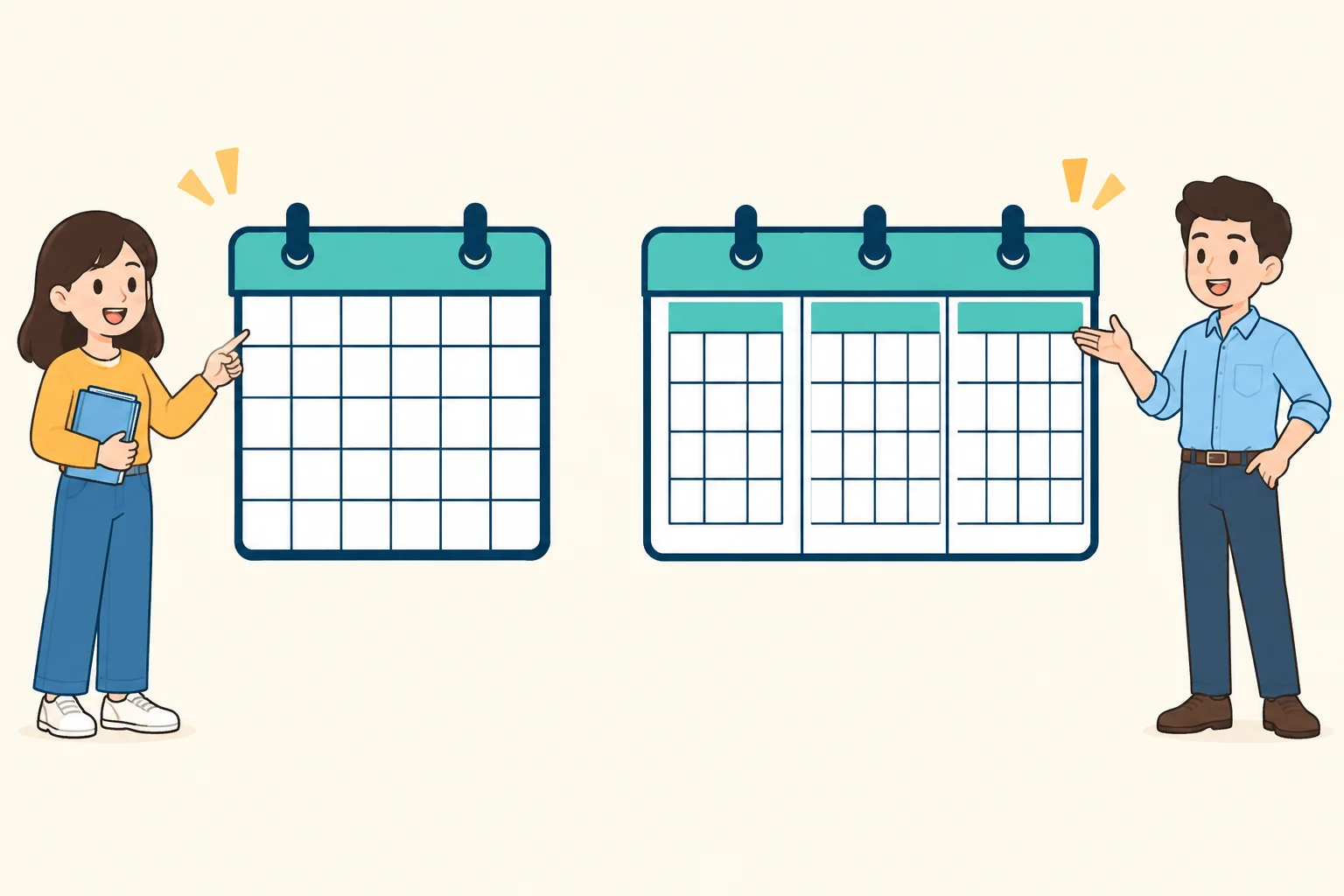
Compare how monthly and quarterly windows organize the same fictional recurring records.
Read the guideThis fictional record carries a scheduled date in May and a recorded date in June. Both dates fall inside the same April–June quarter.
The dates describe different stages of one entry, not two separate transactions.
May 30 falls inside the May reporting boundary, so the record appears in the May view.
June 2 falls inside the June reporting boundary, so the same record appears in the June view.
Same quarter: April–June 2026 includes both May 30 and June 2.
Follow the dates through a timeline, or examine how calendar structures alter the records included in a view.
Explore the sequence from scheduled date to recorded date with recurring-record examples.
Open the WorkbookLearn how monthly and quarterly structures change which fictional entries appear together.
Explore Calendar Structures