
Repeating interval
An interval describes how often an entry is expected to recur, such as monthly or quarterly. The interval provides a calendar frame for reviewing a series.
Explore how recurring patterns, expected dates and recorded transactions fit into a calendar-based view. Every example is fictional and educational.
Recurring records describe how entries are organized over time. They are a way to examine a pattern, not a payment service or proof that a transaction took place.
An interval describes how often an entry is expected to recur, such as monthly or quarterly. The interval provides a calendar frame for reviewing a series.
A description identifies the kind of entry, such as a fictional housing expense. Clear labels help distinguish similar records when a period is reviewed.
An expected date places a planned occurrence on the calendar. It remains separate from the date an entry is actually recorded.
A schedule or recurring pattern does not confirm that a transaction occurred. Examples on this page are fictional and are provided for learning only.
Follow practical explanations of recurring entries, reusable templates and transfers between accounts. Each guide uses fictional examples to clarify how a pattern should be interpreted.

Learn how a recurring interval organizes fictional ledger entries, while expected dates, recorded dates and amounts remain distinct.
Read the guide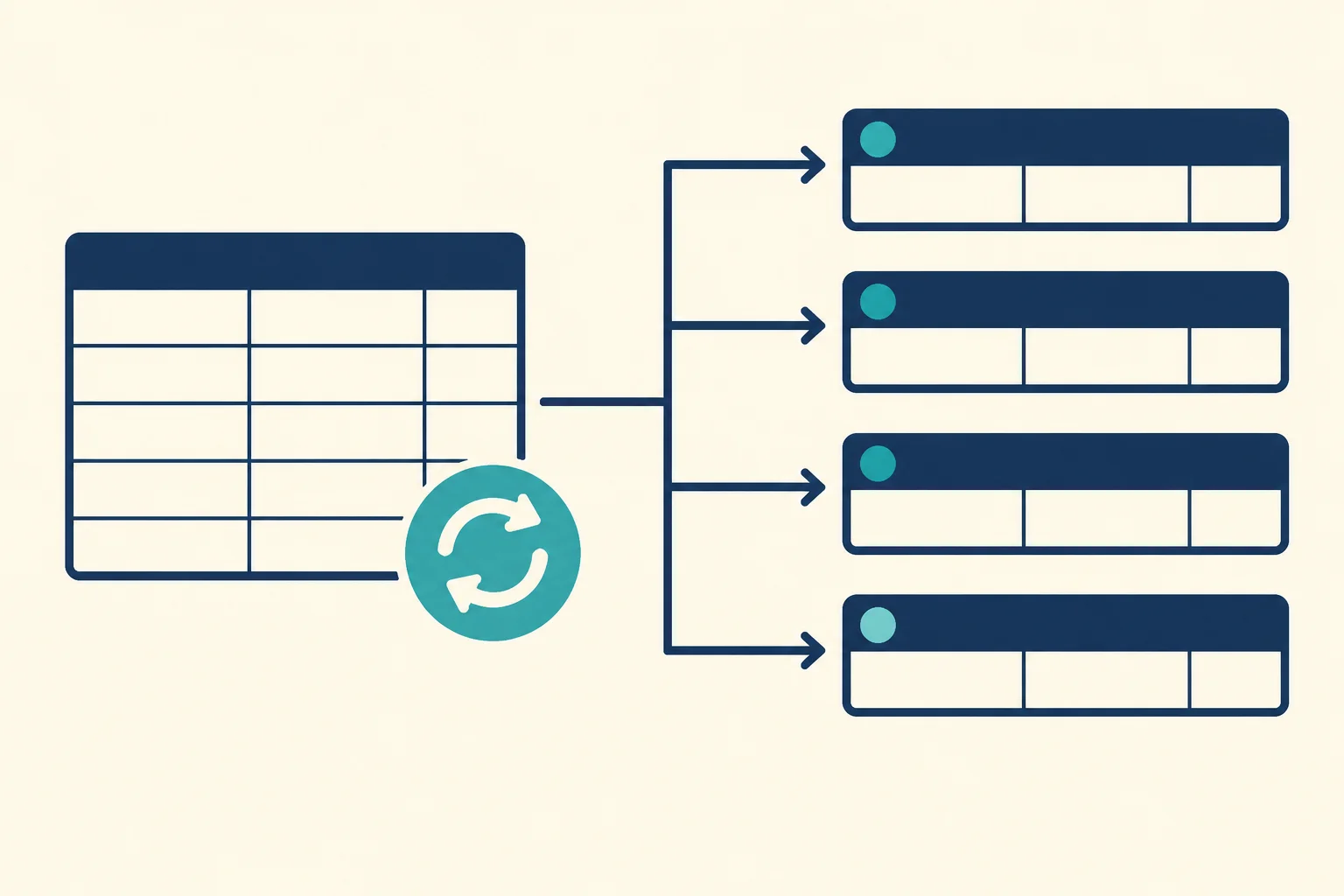
See how a reusable transaction template can preserve recurring details without representing a completed payment.
Read the guide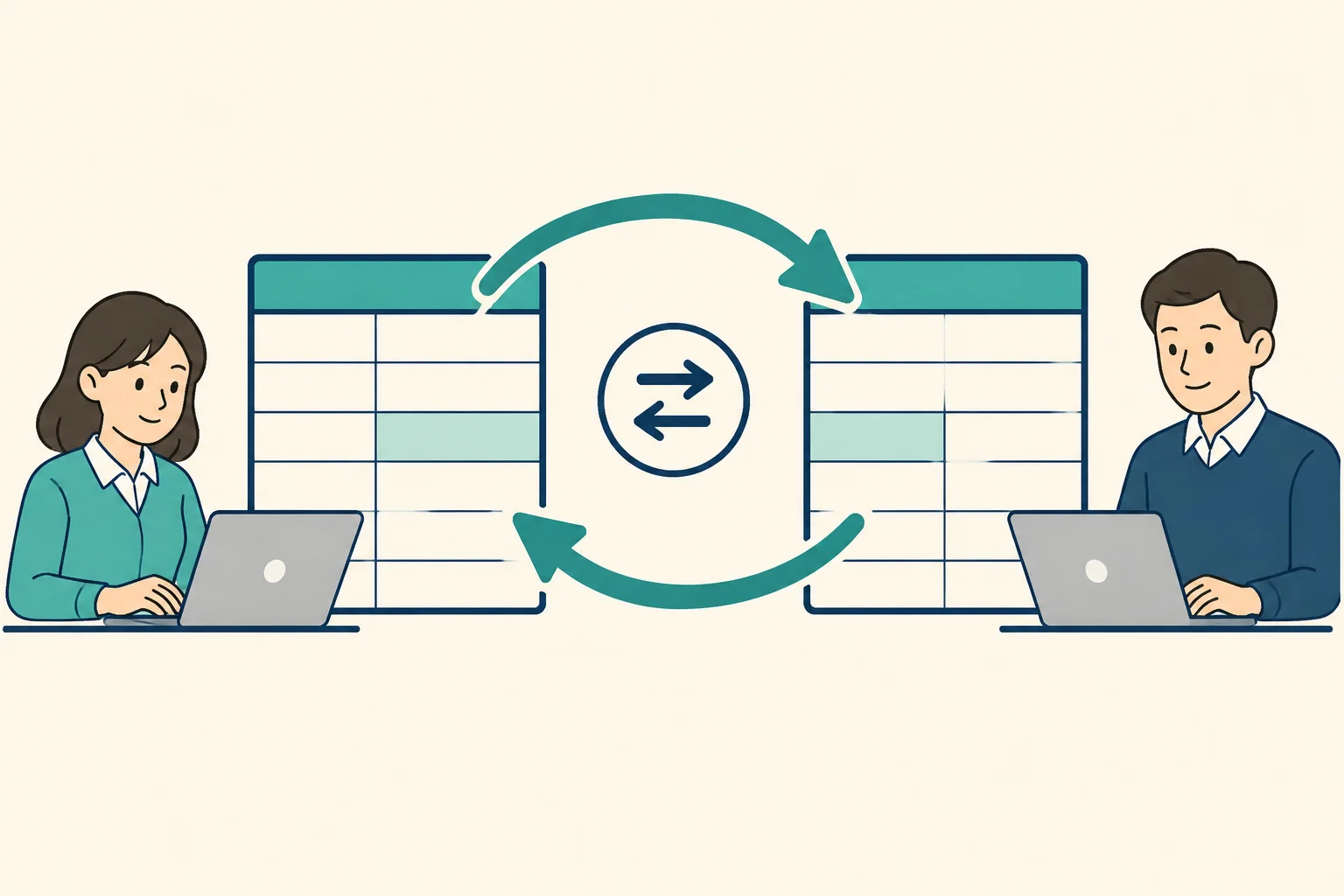
Distinguish paired movements between fictional accounts from income or spending, and avoid double counting in periodic records.
Read the guideWhat repeats and what changes depends on the record type. Classification matters: a transfer between accounts moves funds internally, while an expense represents spending outside the account.
Start with the meaning of a recurring record, then examine the reusable structure behind a pattern and how transfers fit into periodic views.
Begin with intervals, record descriptions and the distinction between an expected occurrence and a recorded transaction.
Read the introductionSee how a reusable structure can describe recurring details without being mistaken for an individual completed transaction.
Explore transaction templatesReview paired movements between accounts and why they should be separated from outside income and spending.
Understand internal transfers